

LinkBlog
[USA] Think Social Networks, Blogs Can’t Hurt You? Health insurers can use your on-line posts to avoid paying for treatment
Debunking the 'Chemical Imbalance' myth (pdf)
The Johns Hopkins Guide to Antidepressants (Note: requires registration of a valid email address)
Not Depressed, Just British!
recommended links

Depression Is Real Coalition
- ABIL: Agoraphobics Building
Independant Lives - Agoraphobia and Panic
Disorder Foundation - Anxiety Disorders Association
of America - Anxiety Network Australia
- Anxiety-Panic.Com
- AnxietyZone
- Army Behavioral Health
- BrainPhysics - OCD
- Canadian Network for Mood
and Anxiety Treatments - Children of Hoarders
- Choices in Mental Health (UK)
- Dart Foundation: Gateway to PTSD
information - David Baldwin's
Trauma Information Pages - e-couch free personal self-help guide
- EMDR Institute, Inc.
- EMDR Network Japan
- Fear of Flying course (free)
- Healthy Minds
- Information for People with Anxiety Disorders
- Internet Guide to REBT, CBT
- Living with a Brain Disorder
- Morita Therapy
- Mayo Clinic : Depression
- Mayo Clinic : GAD
- Mayo Clinic : OCD
- Mayo Clinic : Panic Attacks
- Mayo Clinic : PTSD
- Mayo Clinic : Social Anxiety
- Medicines.org.uk - Anxiety &
Depression guides - Mind-Your-Mind Canada
- National Center for PTSD
- National Institute of Mental
Health (NIMH) - No Such Thing As Crazy
- OCD Action, UK
- OCD Ireland
- Obsessive Compulsive Foundation
- Open Minds, Open Doors
- Out of the silence - site for young people with mental illness
- Paniccure.com
- Partners With PTSD
- Prescription Drug Information
- Psychiatric Service Dog Society
- PsychNews
- Rational Emotive Behavior
Therapy (REBT) - Sane Australia
- Shyness & Social Anxiety
Service of Australia - Social Phobia/Social Anxiety
Association - Social Anxiety Support board
- South African Depression &
Anxiety Group - Suicide Prevention Help
- tAPir - the Anxiety Panic
internet resource - The Panic Center (Free
CBT based programs) - The School of OCD
- UN-WHO Drug Trials Database
- U.S. Army Behavioral Health - PTSD
we support

"just don't smoke"
Yul Brynner
- Menthol cigarettes harder to quit
- Secondhand smoke in cars serious threat to kid's health
- Starting smoking young increases addiction risk
- Smoking doesn't slim girls;
stunts boys' growth - 40 reasons why you should quit smoking
- Pregnant smokers 'prime' their kids to smoke
- Smoking related coronary artery disease quickly reversed if young smokers quit
- Not ready to quit? Try cutting back
- Half smoking again within year of lung cancer surgery
- Cutting back 'compensation' increases toxin load per cigarette
- Tobacco companies upped nicotine level 11% since 1998
- Workplace passive smoke increases lung cancer risk
- Hooked by genes: The DNA sequences cigarette companies love
- Smoking causes long lasting changes to brain's bio chemistry
- Nicotine receptor stimulant trebles the odds of stopping smoking
- Bupropion, nortriptyline double chances of quitting
- Nicotine's powerful role in reinforcing smoking
- Pregnant smokers raise child's risk of stroke, heart attack
- Smoking linked to pancreatic cancer
- Neurobiology of Smokers' Cravings
- 'Low cancer risk' cigarettes as deadly as regular kind
- Quitting reduces lung cancer death risk by 70%
- Fetal nicotine exposure linked to teen attention problems
- Outdoor second-hand smoke exposure can harm
- Response to day's first cigarette predicts ease of quitting
- 'Healthy' children of smoking parents aren't really so healthy
- Children of smokers have up to five times higher levels of a nicotine toxin
- Smoking increases risk of dementia
- Smoking kills even after quitting
- Antenatal second hand smoke exposure increases child's psychological problems
- Smoking could kill 1 billion this century: WHO
- Just 1 cigarette can lead to nicotine addiction
- Smokers less likely to survive early stage lung cancer
- Smokeless tobacco delivers carcinogens more efficiently than cigarettes!
- Smoking permanently turns on genes that increase lung cancer susceptibility
- Secondhand smoke a health hazard for pets too
- Hypnosis for smoking cessation sees strong results
- Smoking doesn't burn fat
- Smoking linked to sagging breasts
- No evidence waterpipes decrease smoking harm
- Tobacco smoke + alcohol damage hearts more than either alone
anti torture campaign

- Torture experts write APA policy
- [APA] still rocked by torture debate
- Petition for psychologists
- AMA president says APA "did not accurately represent our ethical guidelines"
- Psychologists Aiding Torturers
- Annual conference endorses
APA's torture policy :( - Physicians for Human Rights call on Congress to vote No on Military Commissions Bill
- Torture is a Form of Trauma;
Trauma Causes PTSD - Psychoanalysts' association condemns torture use
- Humiliating, inhumane or degrading treatment IS torture
- Two American psychologists accused of war crimes. U.S. DoD investigating.
- DoD report proves psychologists central to POW/detainee abuse (pdf)
- 40 psychologists demand APA change policy on torture (pdf)
- Did the American Psychological Association turn a blind eye to torture for medicine precribing rights?
- Will psychologists still abet torture?
- Psychologist, Author Mary Pipher Returns APA Award Over Interrogation Policy
- Guantanamo Medical Role Likened to South Africa Under Apartheid
- The ethics of interrogation and the American Psychological Association
Deputy Army Chief of Staff for Intelligence, Lt. General John (Jeff) Kimmons, has stated that no actionable intelligence had been obtained through abusive interrogation methods in the last 5 years.
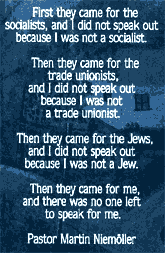
monument, Monmouth County
New Jersey.


Mental Health Symbol Meanings and Effective Awareness Use
When you encounter a semicolon tattoo or spot a green ribbon on someone’s bag, you’re witnessing more than decoration—these are visual cues that signal mental health conversations and support. You might wonder how such simple symbols can carry deep meaning and inspire real change in communities. Understanding what these symbols represent and the best ways to use them could shift the way you engage with mental health awareness—there’s a lot more beneath the surface.
Importance of Mental Health Recovery Symbols
Symbols serve an important function in the context of mental health recovery, as they provide individuals with a means to articulate their personal experiences and milestones. Different symbols can offer varied meanings: for instance, a ribbon may denote support for mental health awareness, while a Semicolon tattoo can signify hope and a commitment to ongoing life despite challenges. The butterfly, often associated with transformation and renewal, illustrates the concept of personal evolution in recovery.
Utilizing these symbols creates a sense of belonging within communities, which can be particularly beneficial for those managing conditions such as ADHD, Bipolar Disorder, or Compulsive Disorder. The visibility of these symbols can foster connection and support among individuals who share similar experiences, ultimately promoting resilience.
Incorporating these symbols into therapeutic practices, particularly in treatment centers located in areas like San Diego and Long Beach, can further enhance the recovery process. This integration not only validates individual experiences but also serves as a continuous reminder of personal growth and the ongoing journey toward healing.
By embedding these symbols into various aspects of treatment, individuals may experience increased motivation and a structured approach to navigating their recovery journey.
Common Symbols and Their Meanings
A variety of symbols have developed to represent different facets of mental health recovery, each with distinct meanings. The butterfly is often associated with transformation, inner strength, and the concepts of renewal and rebirth. This symbolism encourages individuals to consider the significance of change throughout their recovery journey.
The semicolon tattoo has become a recognized symbol of hope and continuity. It signifies that while a person may encounter challenges such as ADHD or major depression, these obstacles do not define their entire narrative; rather, the struggles serve as part of an ongoing journey toward improvement.
The lotus flower is another symbol representing personal growth and healing. Its growth from murky waters to blooming on the surface illustrates the potential for individuals to overcome adversity and emerge stronger.
The green ribbon serves as a visual identifier of support for individuals facing mental health challenges on a daily basis. It fosters awareness and solidarity within communities.
Lastly, the phoenix represents comfort, strength, and resilience in the context of recovery. Its imagery of rising from ashes symbolizes the ability to emerge renewed from past hardships.
Each of these symbols can play a role in fostering understanding and support for those navigating their mental health journeys.
Cultural and Religious Influences on Mental Health Symbols
Cultural and religious symbols significantly influence perceptions and approaches to mental health across various societies and faith traditions. For instance, the Christian cross is often associated with themes of hope and resilience, playing a role in how individuals cope with mental health challenges.
In Eastern traditions, symbols like the lotus flower and the Om represent concepts of inner strength and the cyclical nature of life, both of which can be pertinent in discussions of healing and recovery.
Indigenous healing practices frequently incorporate the medicine wheel, a symbol that emphasizes balance, harmony, and holistic approaches to mental health recovery.
Additionally, the cherry blossom serves as a reminder of the transience of life, encouraging mindfulness and a focus on what is truly significant.
These symbols can offer valuable frameworks and support for individuals experiencing mental health conditions such as ADHD, stress disorders, or bipolar disorder.
They facilitate an understanding of personal journeys and can enhance the process of recovery and personal growth.
By grounding mental health discussions in these well-established symbols, practitioners and individuals alike may find additional meaning and guidance in their experiences.
Personal Symbols and Expressive Techniques
Creativity serves as an important mechanism in the interplay between personal experience and mental health recovery. By developing personal symbols, individuals can articulate their journey toward healing and personal growth. For instance, therapeutic practices in centers located in San Diego, Long Beach, or elsewhere in California often encourage clients to create visual representations, such as drawing a tree or considering symbols like the Semicolon tattoo, which are often associated with resilience in the face of mental health challenges.
Social media initiatives also play a significant role in empowering individuals dealing with various mental health conditions, including ADHD, depression, and bipolar disorder. These platforms provide a space for individuals to share meaningful symbols and experiences, fostering a sense of community and support.
Moreover, a well-structured treatment plan, informed by a supportive team and aligned with established office policies, can enhance ongoing management of mental health conditions.
Tailored approaches to treatment are fundamental in addressing the unique needs of individuals, allowing for more effective recovery strategies.
Symbolism in Art Therapy and Daily Practice
Art therapy utilizes the inherent expressive capabilities of art to facilitate emotional communication, particularly in contexts where verbal language may fall short. This therapeutic approach incorporates symbols that can resonate deeply with individuals, enhancing the therapeutic process. For example, representations such as a tree, a lotus flower, or a semicolon tattoo can symbolize hope and empowerment, serving as tools for personal reflection and growth.
Engaging with these symbols regularly, whether in a therapeutic setting or independently, may aid individuals in managing symptoms associated with various mental health conditions, including stress disorders, ADHD, and bipolar disorder. The green ribbon, for instance, is widely recognized as a symbol of support for mental health recovery, while the cherry blossom may represent themes of rebirth and renewal.
The consistent use of such symbols has the potential to reinforce an individual's journey toward healing and self-discovery, contributing to the management of emotional pain. This approach is employed in various therapeutic settings across diverse locations, including cities like San Diego and Long Beach, where art therapy programs aim to provide support and foster resilience among participants.
Overall, the integration of symbolism in art therapy represents a valuable aspect of the therapeutic process that can facilitate meaningful self-exploration and emotional well-being.
Tattoos, Music, and Media as Recovery Symbols
Tattoos, music, and media can serve as important symbols in the context of recovery, extending beyond the boundaries of traditional therapeutic methods. Various tattoo designs, such as the semicolon, unalome, and serotonin molecule, are recognized for their strong associations with mental health conditions including ADHD, bipolar disorder, and compulsive disorders. These symbols represent resilience and the possibility of overcoming challenges.
Music also plays a significant role in recovery, with songs like Rachel Platten's “Fight Song” providing messages of hope and empowerment that individuals may draw upon during difficult times. The lyrics of such songs can resonate deeply, serving as a source of motivation and affirmation of one’s experiences.
Film, too, contributes to this discourse, often utilizing imagery such as the phoenix to symbolize themes of rebirth and renewal. These representations remind individuals of the potential for transformation and recovery.
Incorporating these symbols into one’s mental health management can foster personal growth and facilitate an individual's journey toward inner strength. Ultimately, these artistic expressions provide comfort, reinforce cultural connections, and offer therapeutic value, underscoring the multifaceted nature of recovery in contemporary society.
Social Media and Community Movements for Awareness
Digital platforms have significantly influenced discussions surrounding mental health in contemporary society. Movements such as #MentalHealthAwareness facilitate open dialogues where individuals can address personal challenges, share stories of resilience, and form supportive networks.
Symbols like the green ribbon, semicolon tattoo, and lotus flower have emerged as representations of recovery, hope, and the journey through emotional pain.
Social media campaigns serve a pivotal role in connecting people with relevant resources, including telehealth services and mental health support centers. This connectivity helps individuals dealing with conditions such as depression, bipolar disorder, and ADHD access necessary care and develop strategies for coping and resilience.
Moreover, the dissemination of information through these platforms allows for greater awareness of mental health issues and reduces stigma, potentially leading to wider acceptance and support for those affected. As a result, social media serves not only as a communication tool but also as a valuable resource in the ongoing conversation about mental health and well-being.
Conclusion
When you embrace mental health symbols, you help raise awareness and encourage open conversations. These symbols—whether displayed in art, on social media, or in daily life—remind you that understanding and acceptance are possible. By recognizing their meanings and using them thoughtfully, you foster connections and support those around you. As mental health awareness grows, remember your role: use these symbols to promote compassion, education, and meaningful change in both personal and community spaces.